2016
In my 2012 Master’s Research project, through Mark Cousins’ seminal essay series ‘The Ugly’, I argued that dust is similar to the ‘ugly object’, it interrupts the visual syntax, overwrites and contaminates. I identified dust as a transgressive, uncontrollable, uncodable entity, such as Barthes’ ‘punctum’ that exists latently beyond/beneath the visual layers of the photograph. In my practice-led PhD research 2015-2019, I further explored this concept in
relation to silenced memories of loss, painful pasts, trauma and grief. As Cathy Caruth explains, trauma is not an event, but a mark with resurfacing and recurring impact. Trauma has a long-lasting cyclical temporal nature, similarly to grief, we need to process and address what we lost, otherwise it grows with us. In EraserWorks, I performed gestures of re-enactments of loss to work
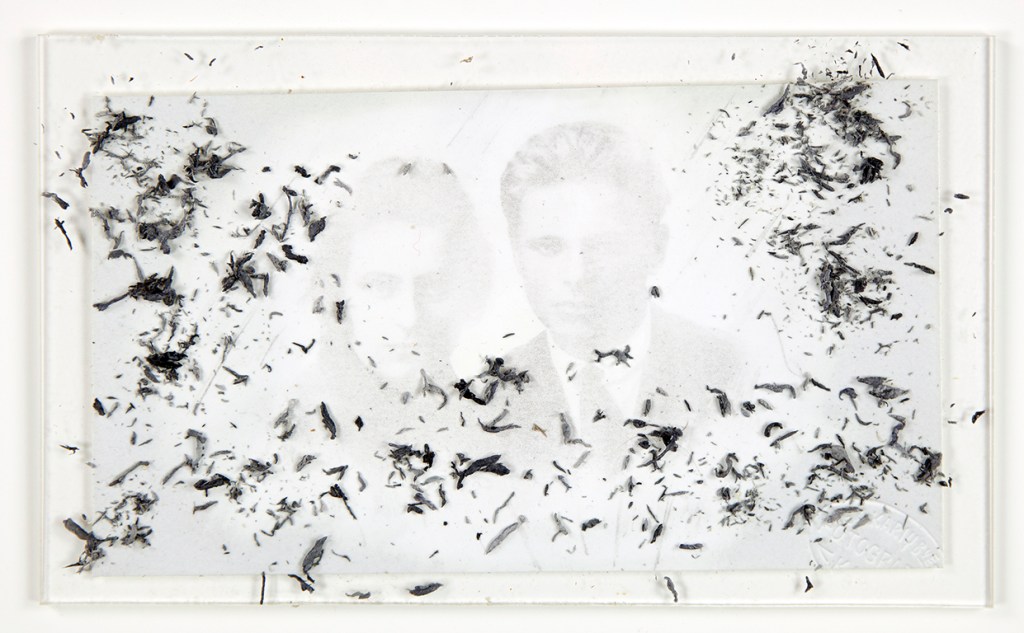
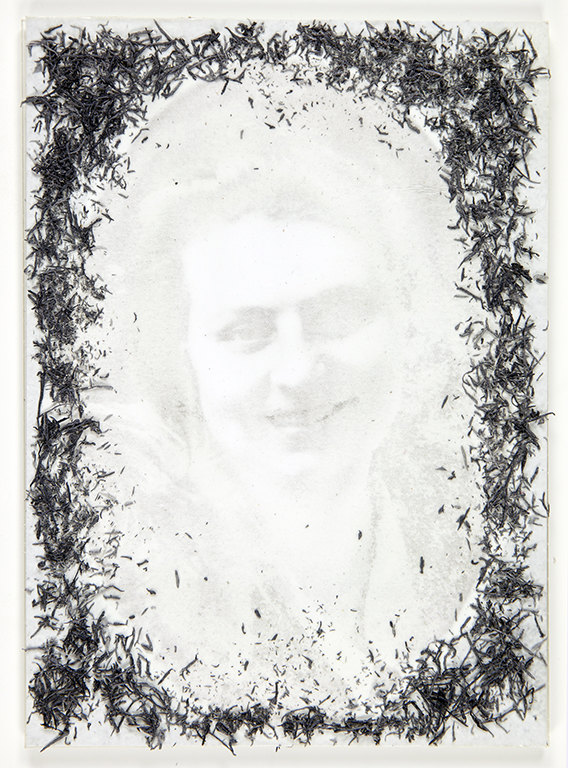
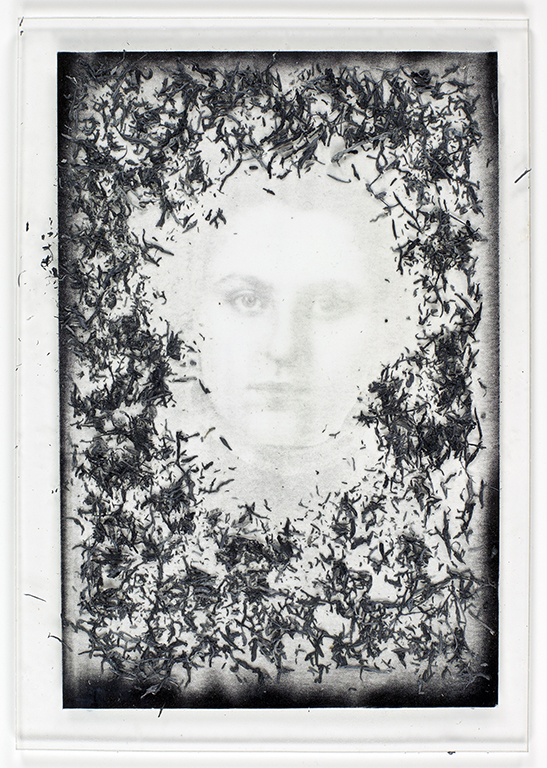
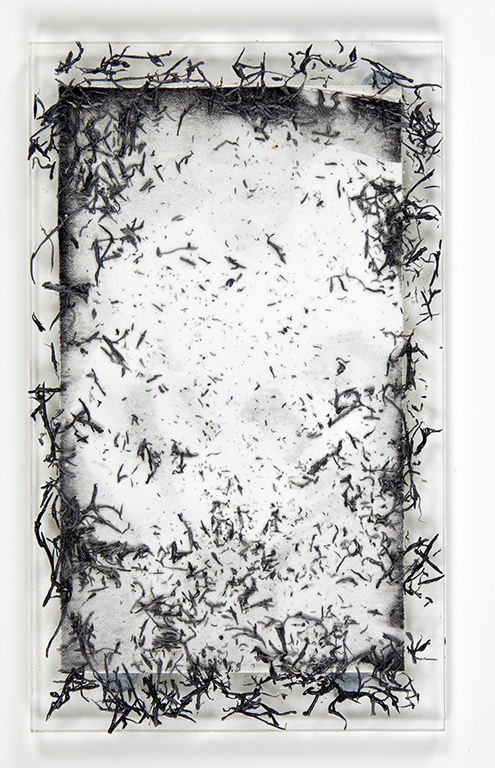
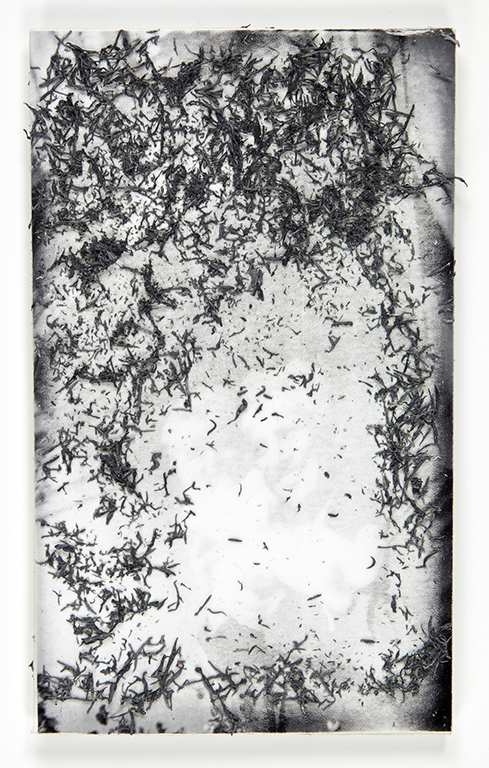
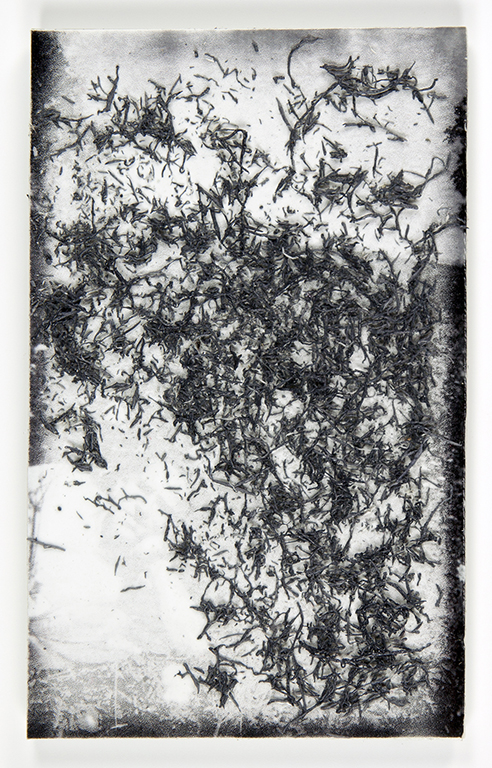
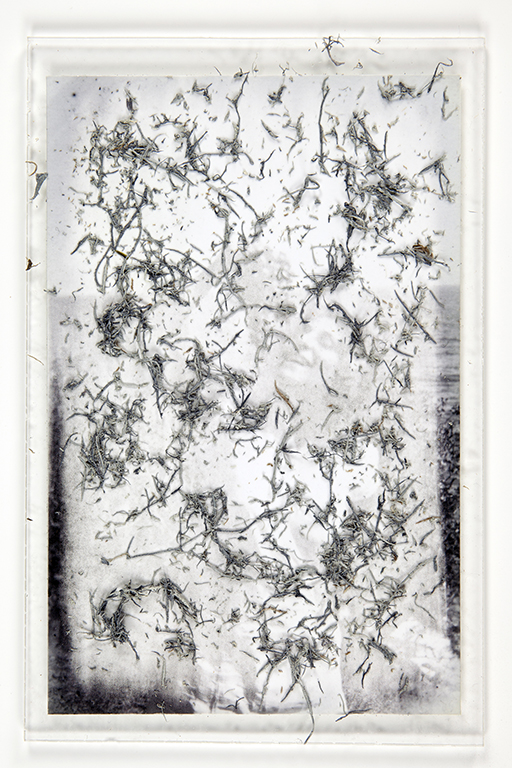
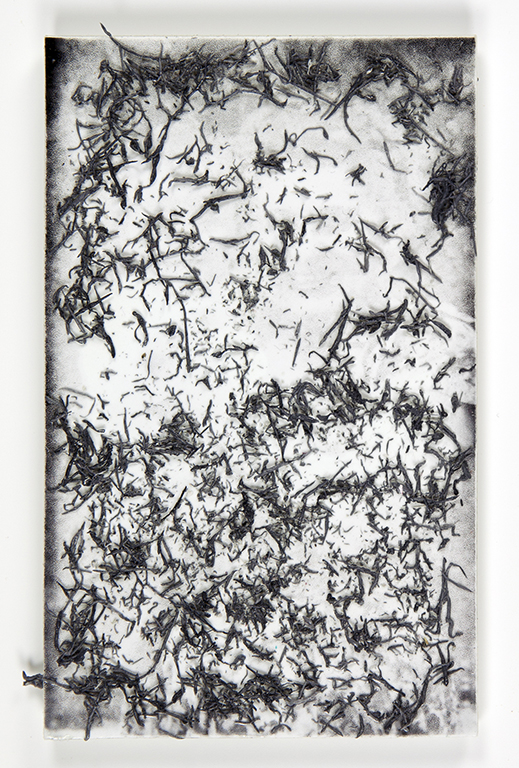
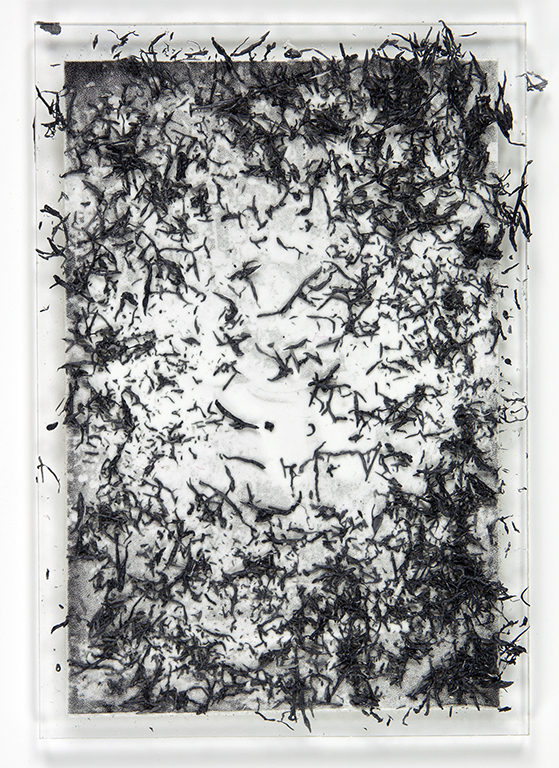
through, for example as a visual analogy of how my grandparents silenced difficult histories, I began to erase family photographs. Through such acts I learned that to bring these to the surface, we need to perform acts, which at first glance, seems anti-photographic because it constructs through deconstruction.
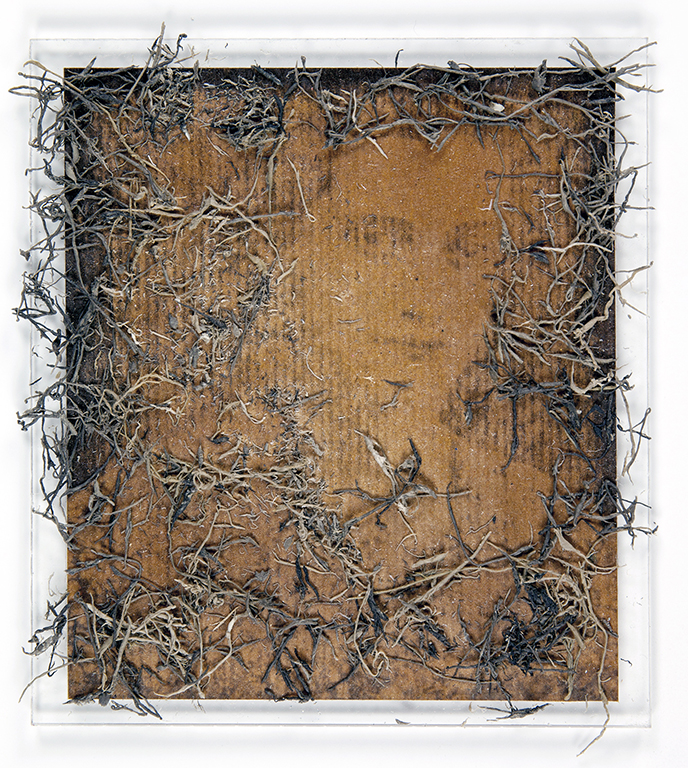
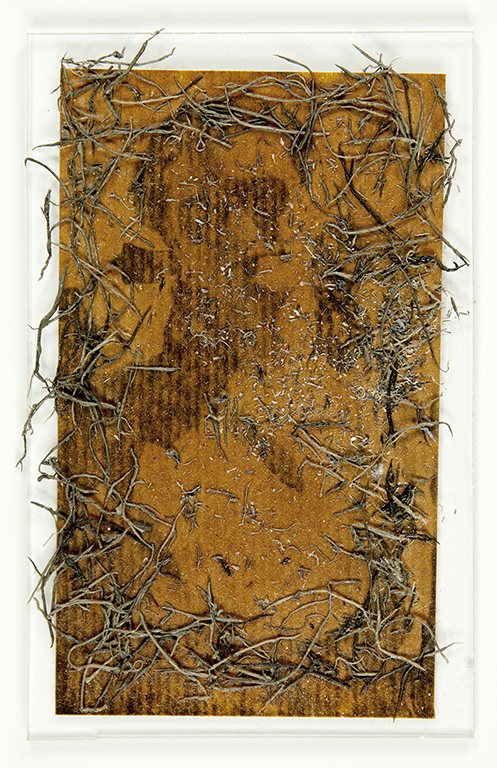
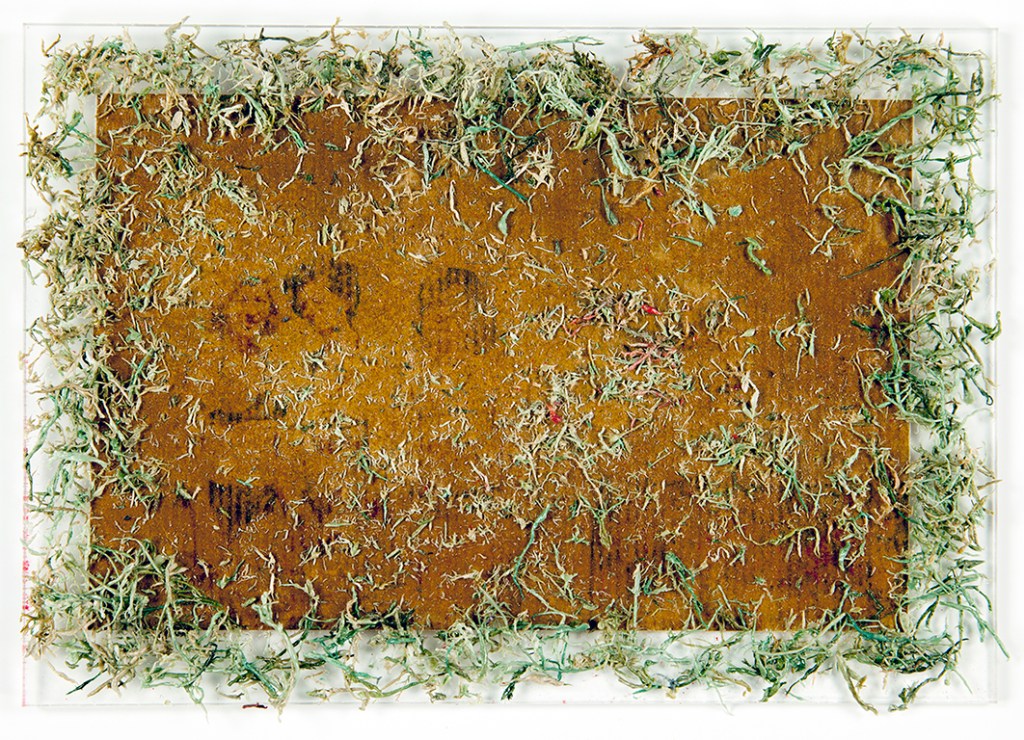
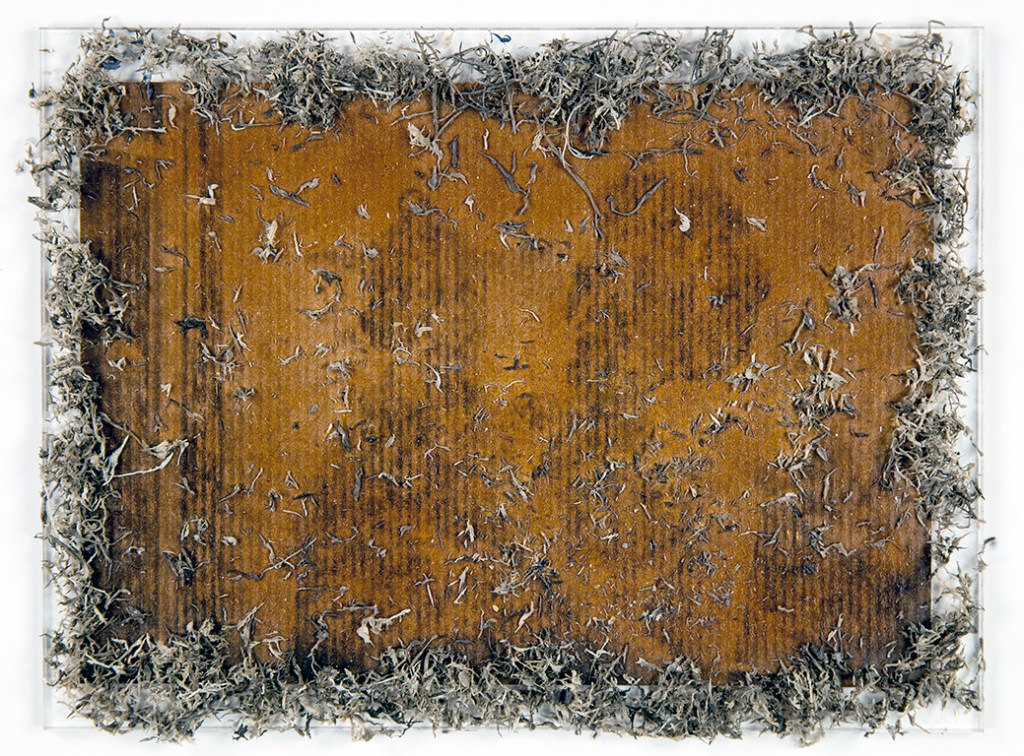
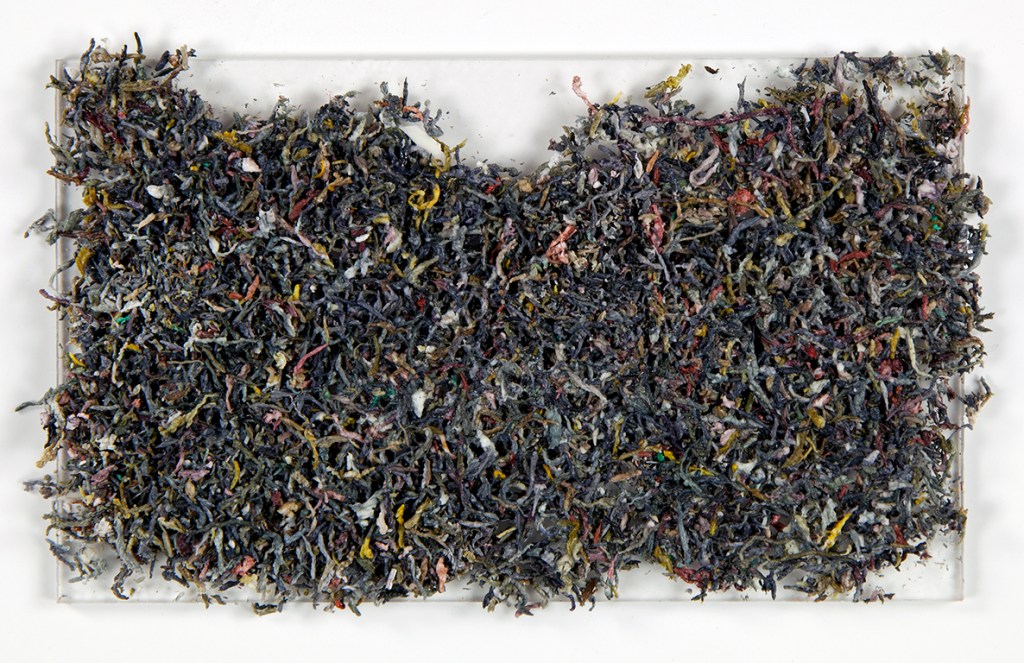
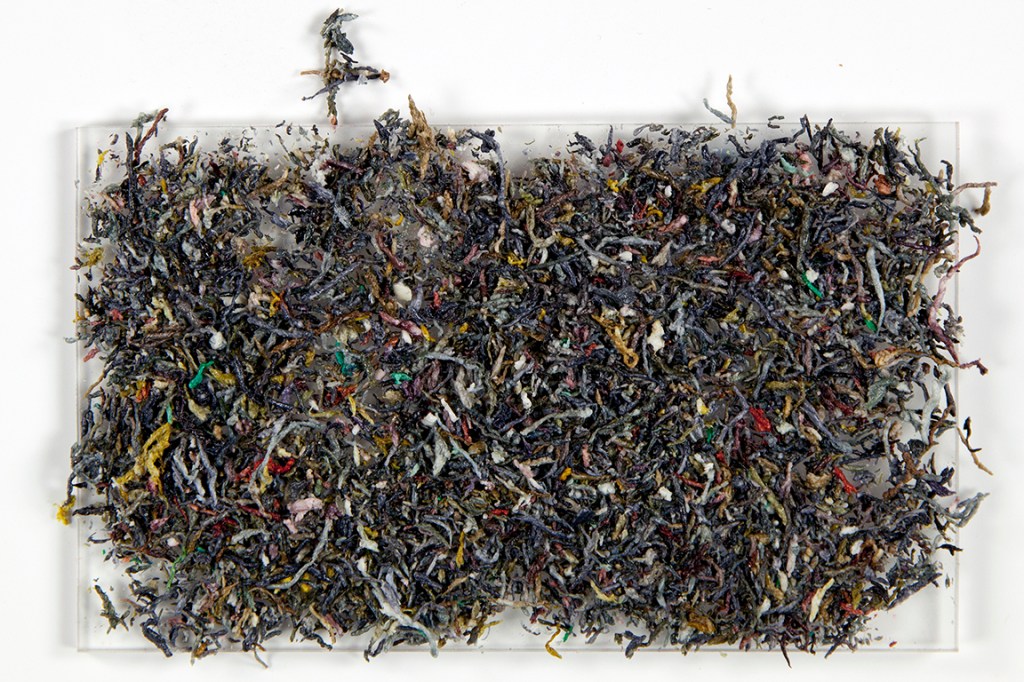
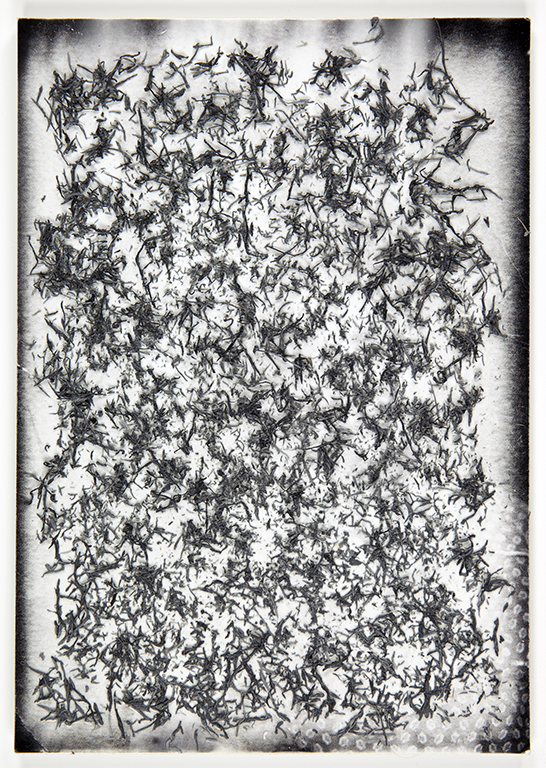
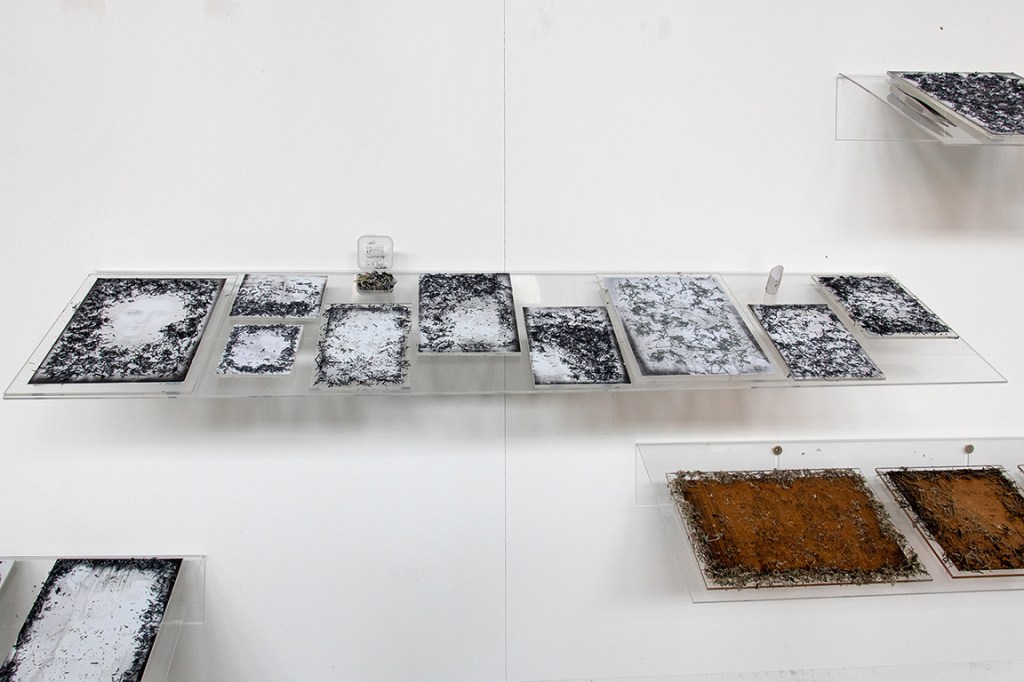
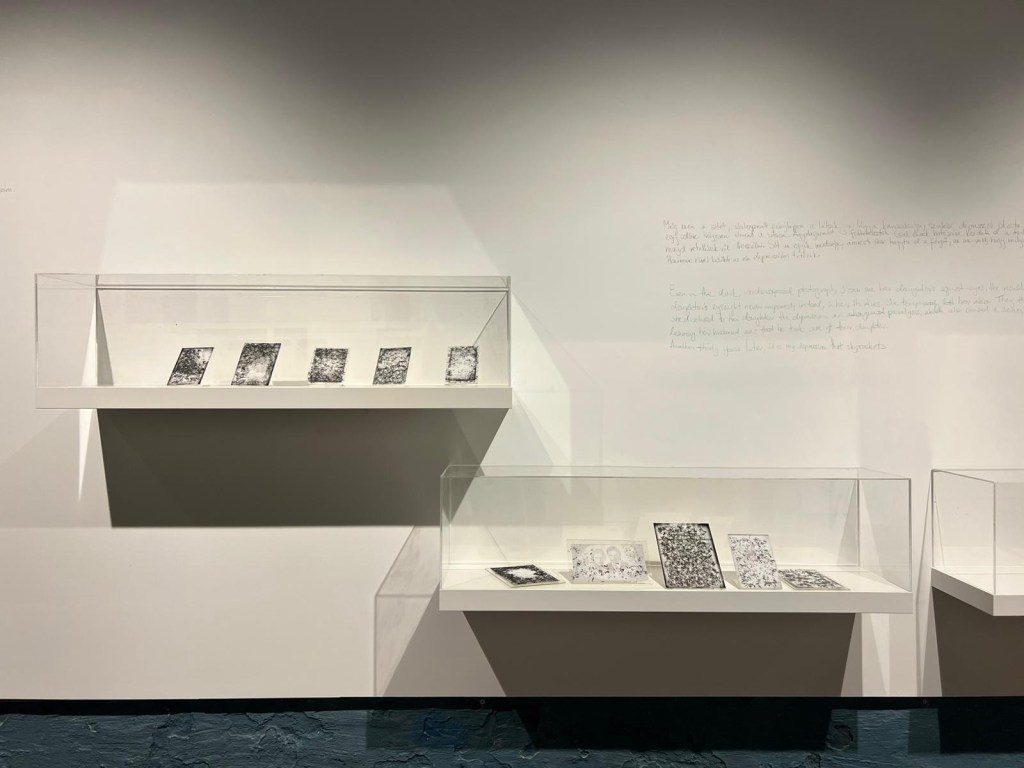
Through such work, I gained significant insight into my family silence. First of all, keeping silent is an on-going emotional and mental work; sharing is more instinctual to us. Similarly, the material has resistance. I couldn’t remove the deep blacks within the print; as much as the surface I erased retained its presence through small rubber shreds. As insufficient marks of memory fragments, they are part of the full story; consequently, I decided to place them back on the photographic surface.
The images on kraft paper represent my maternal line, referencing the material use of RecipeBook. The images on lustre paper represent my paternal line.

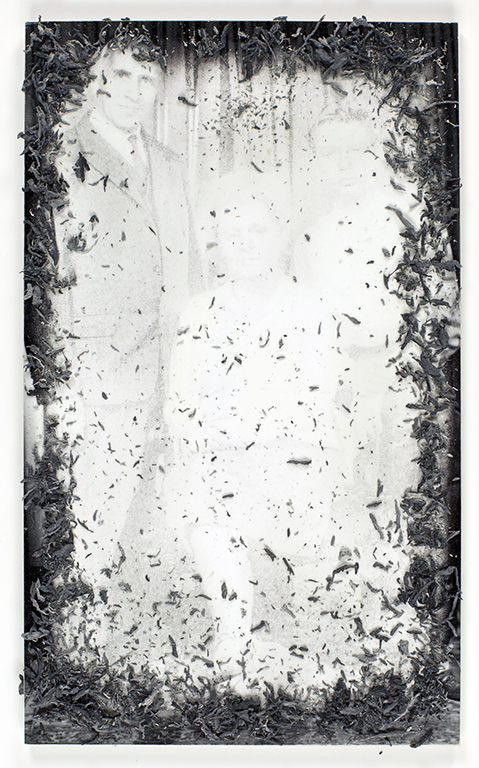

P5 Dimensions: 80x13x2mm


 Eszter Biró