2016
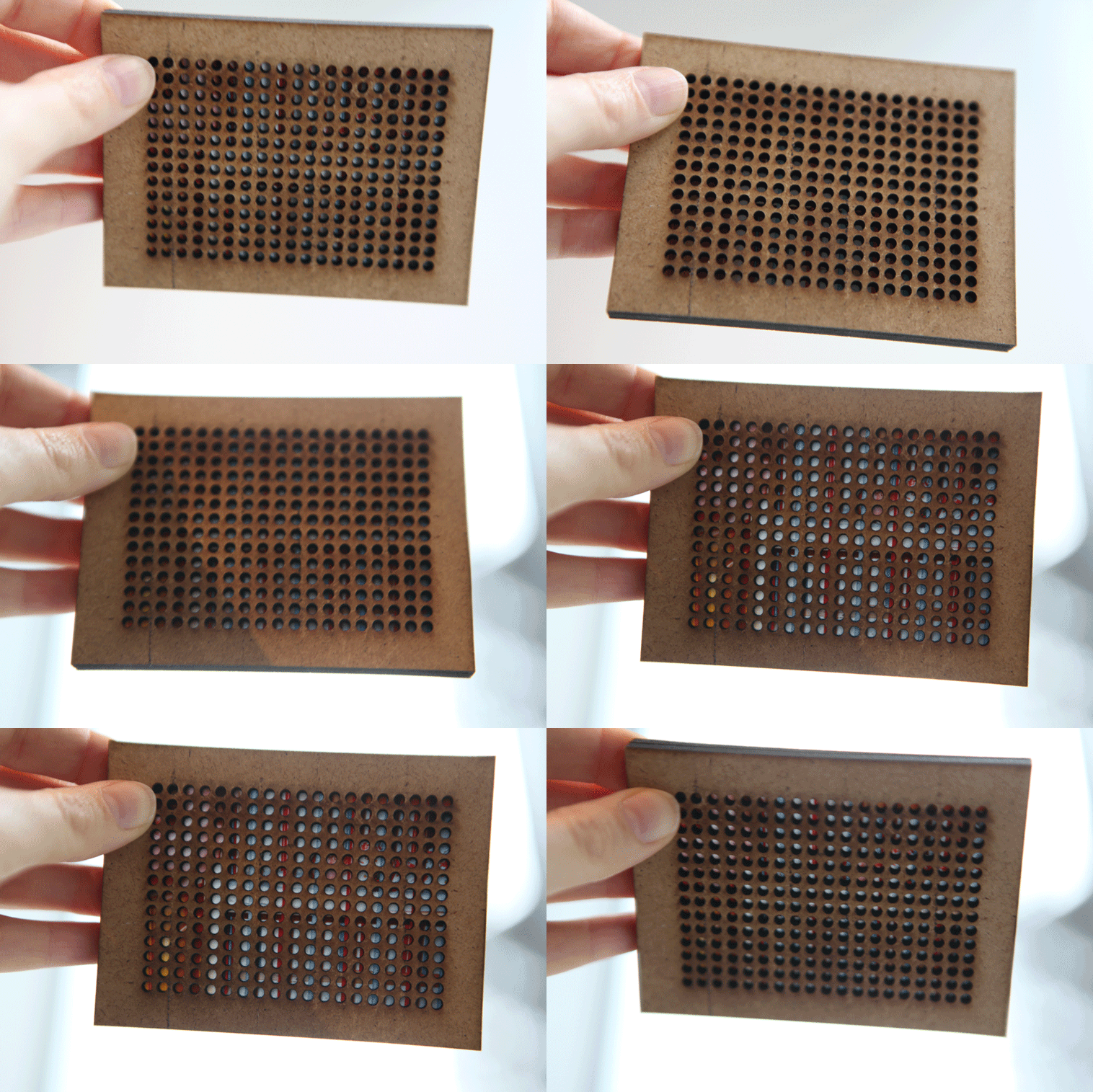
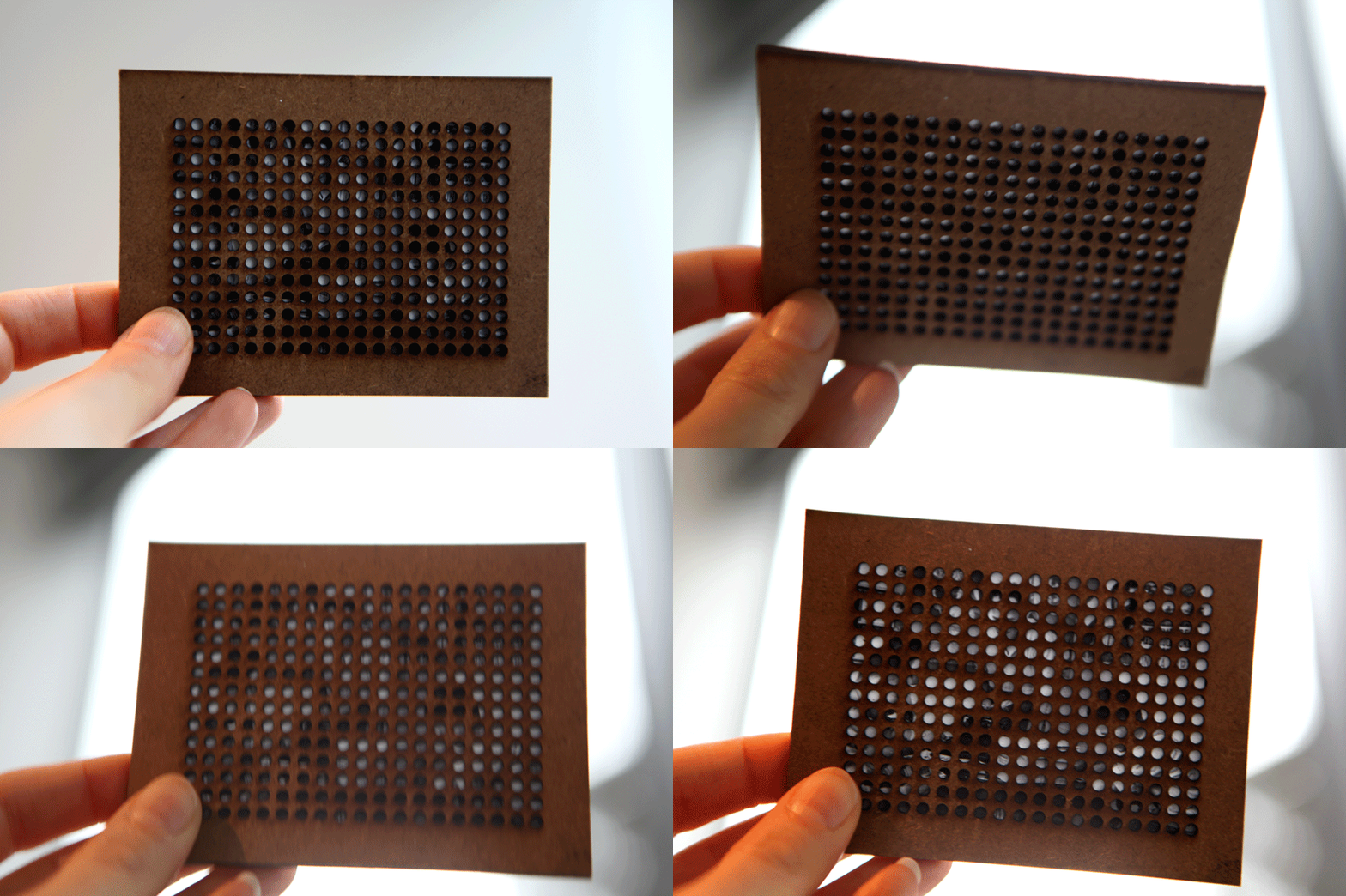
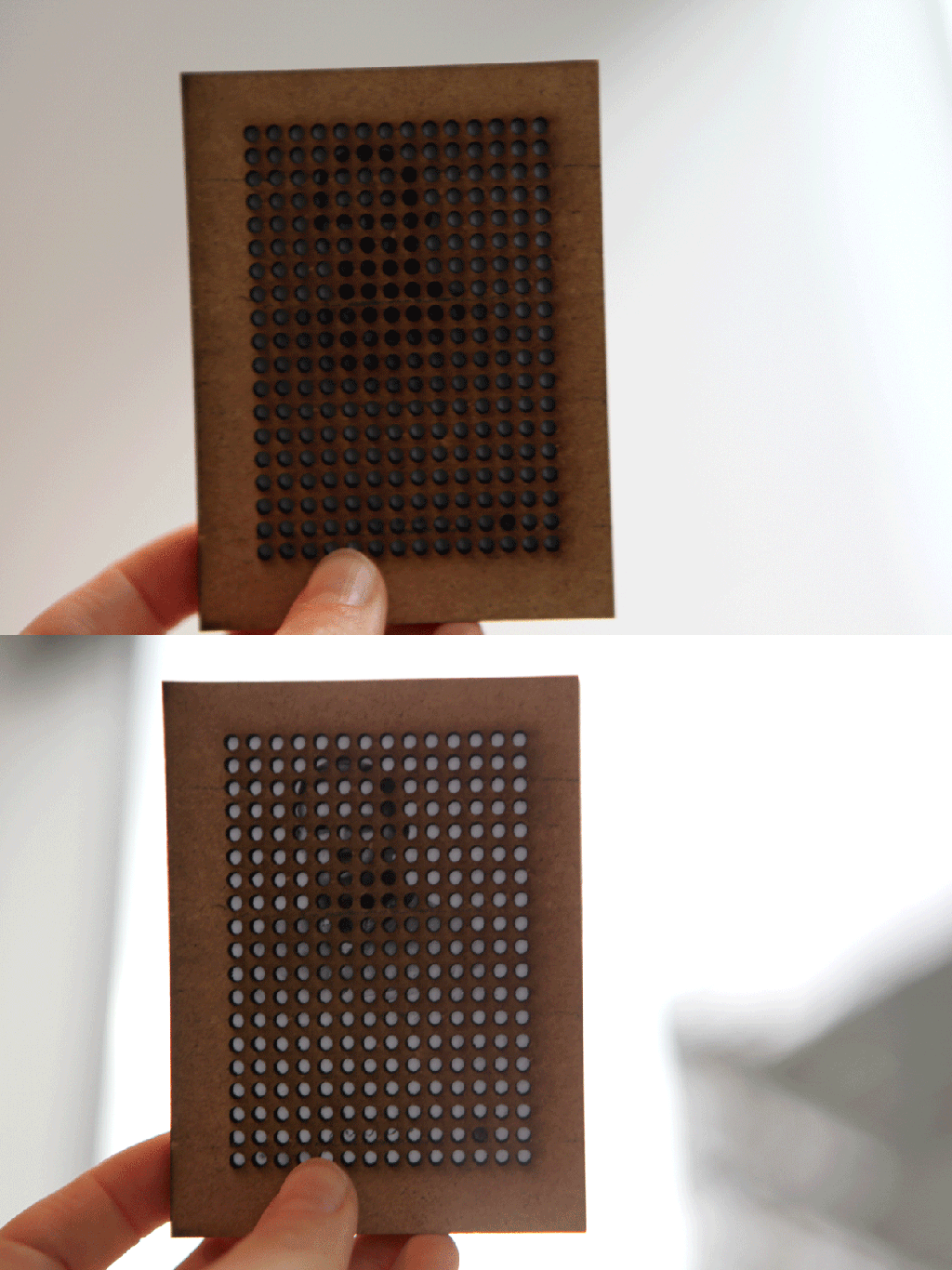
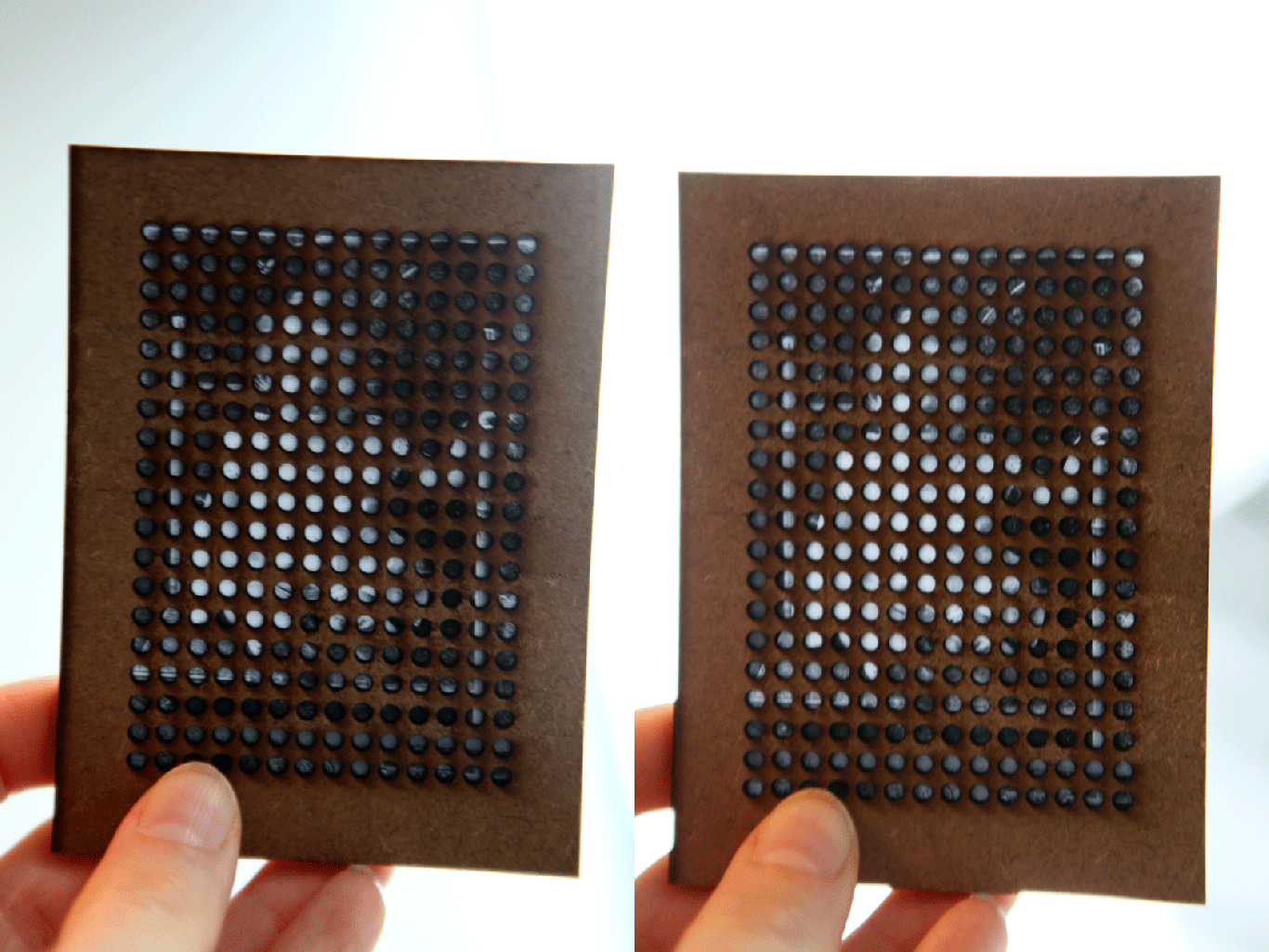
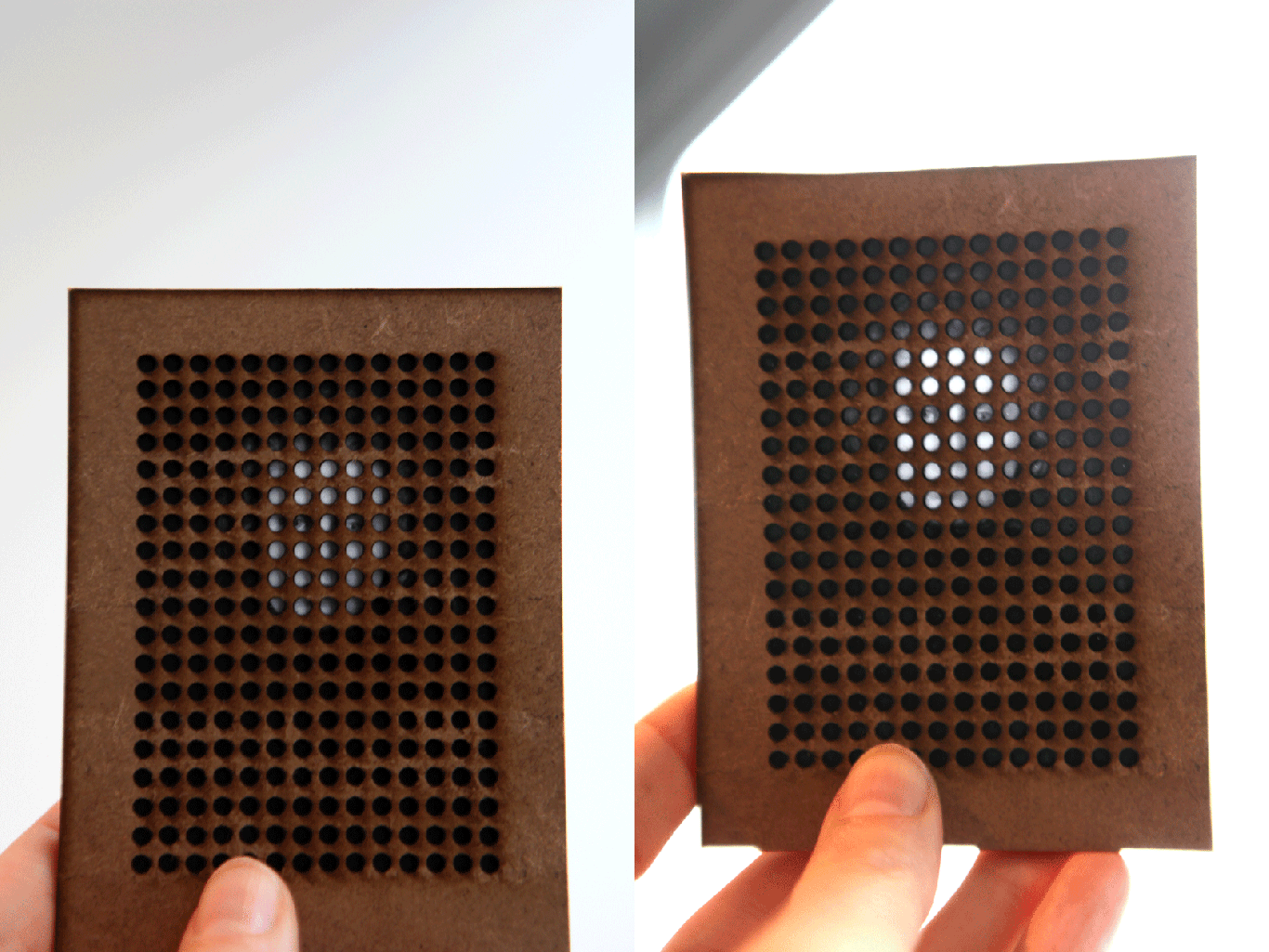
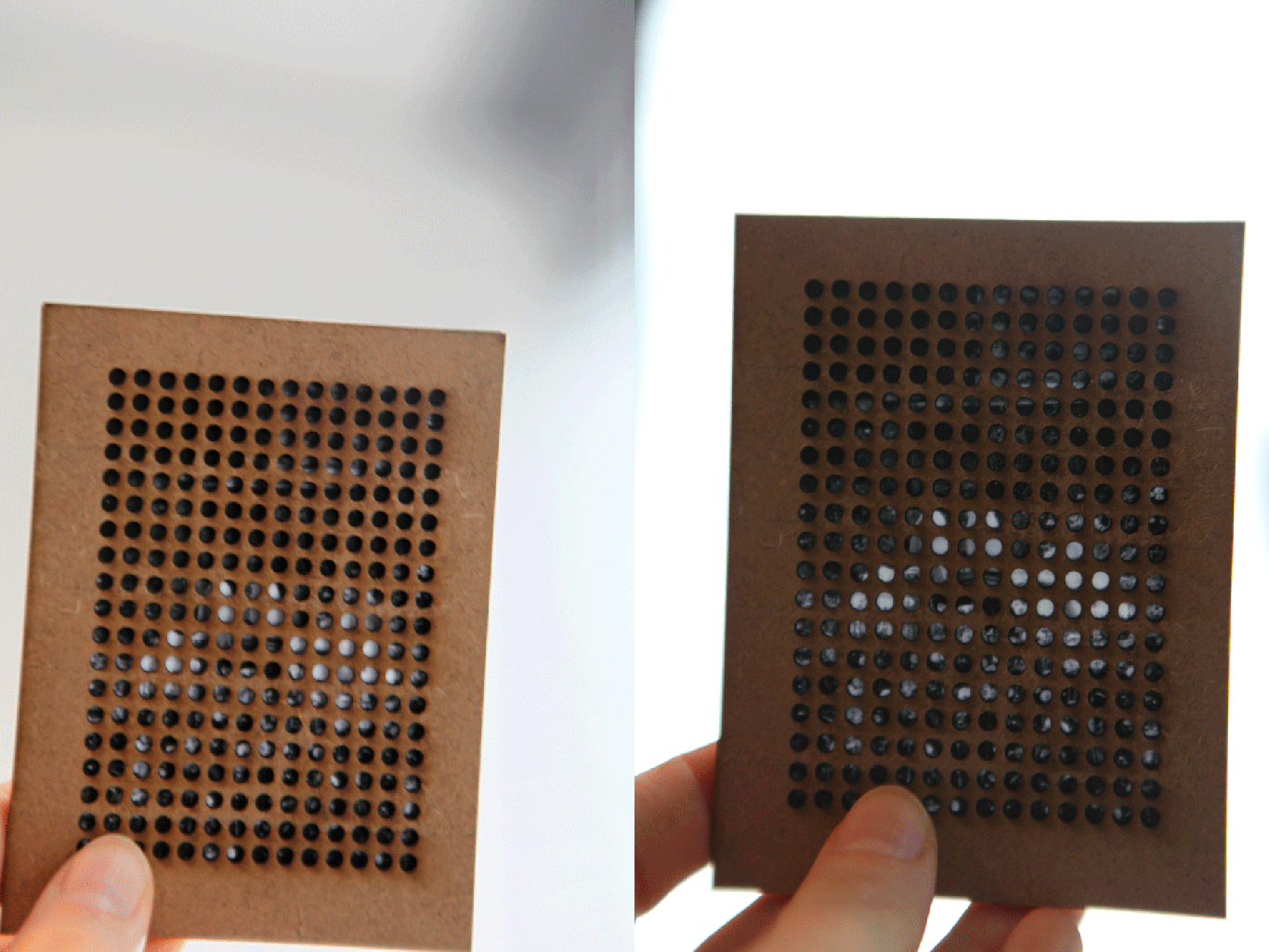
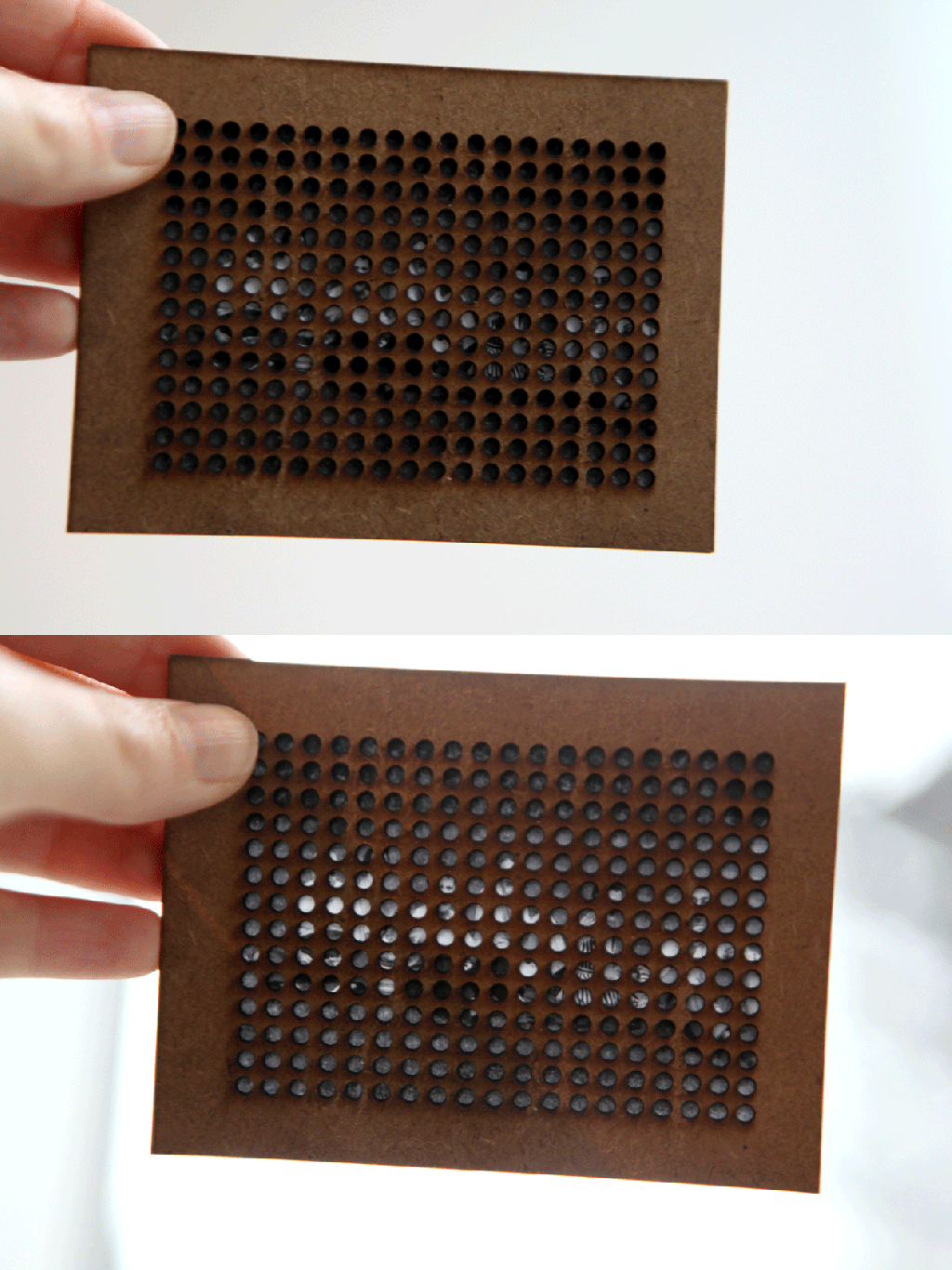
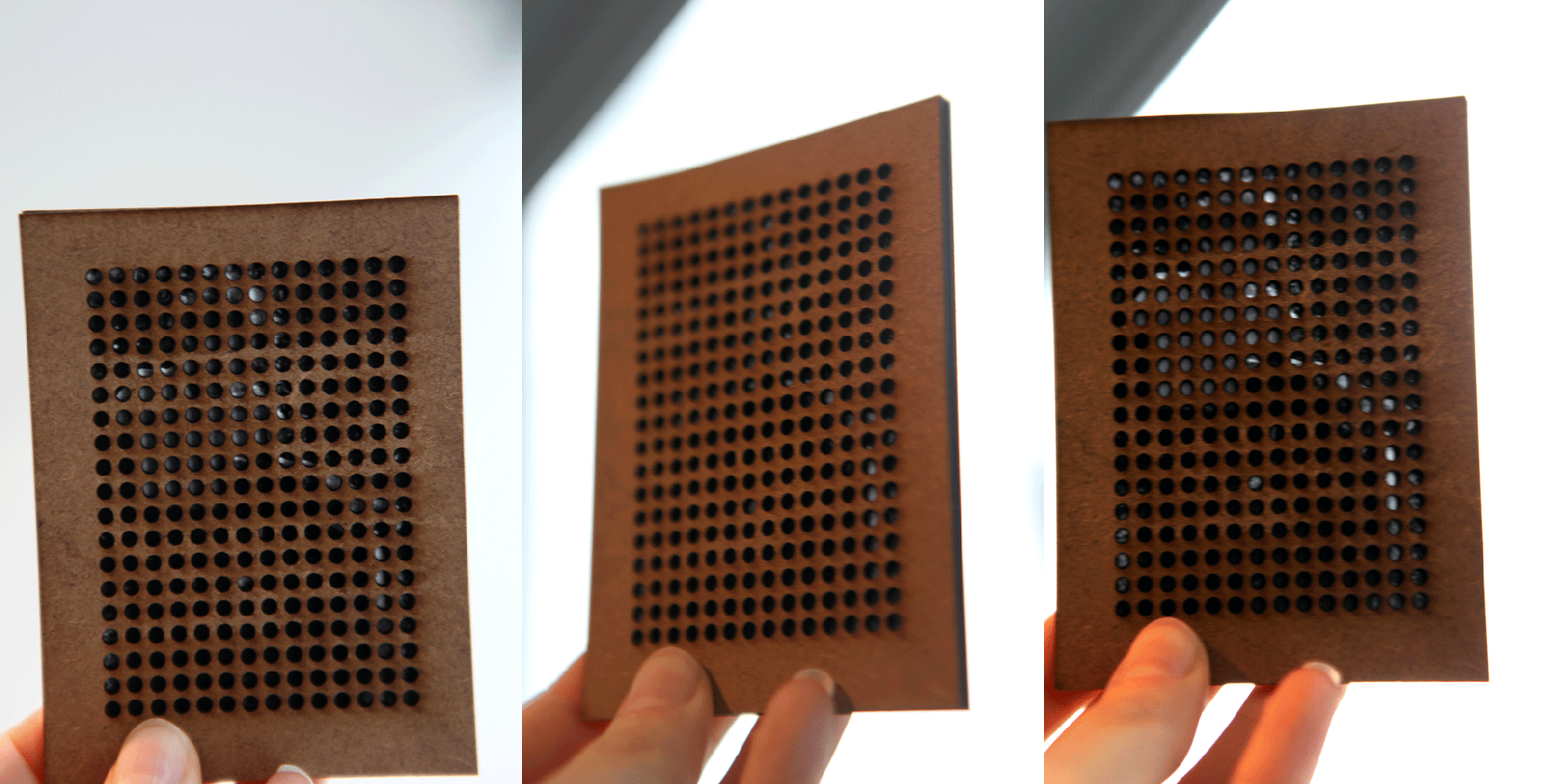
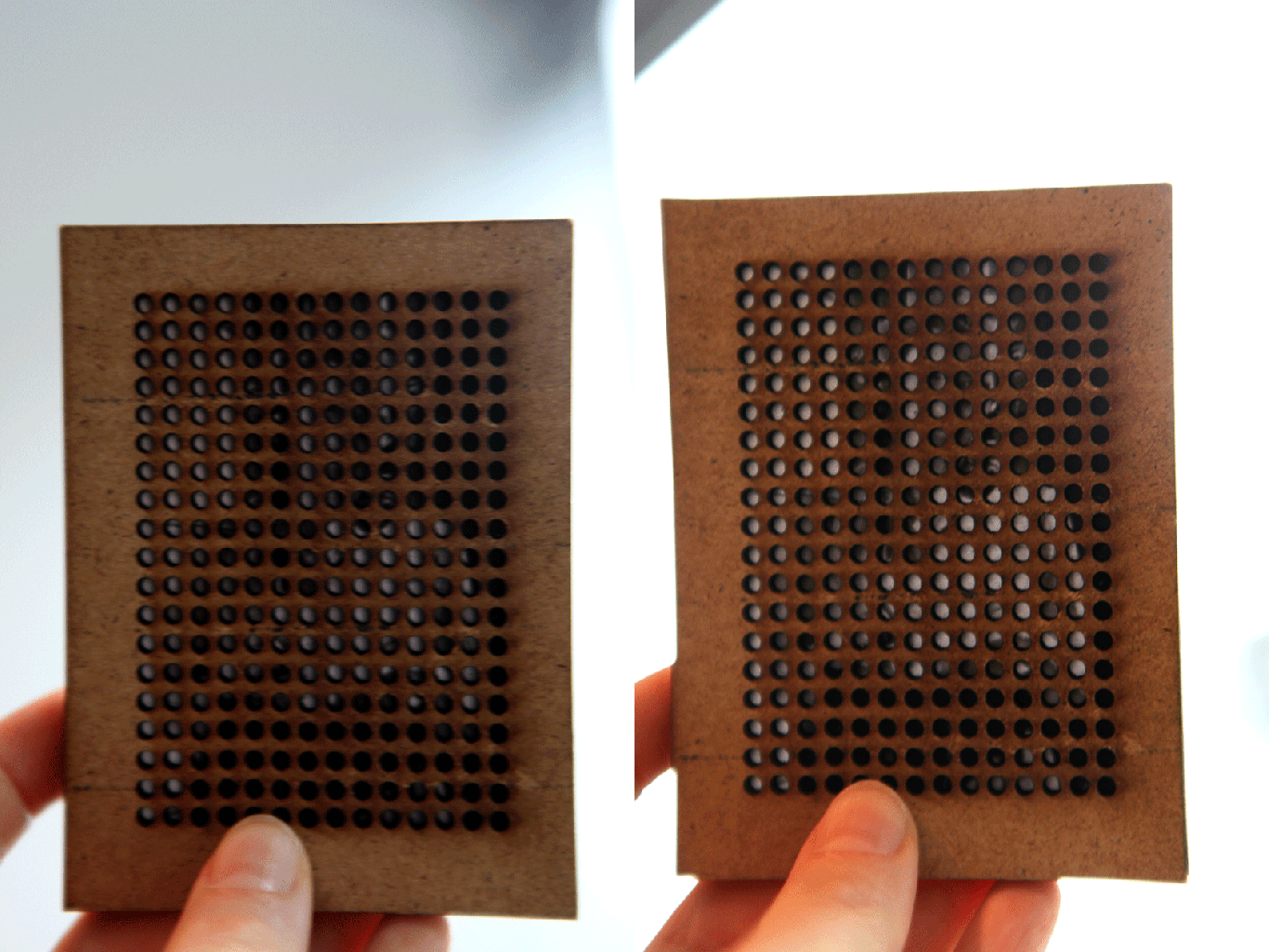
FrameWorks models the relationship between collective and private remembrance. How we remember through dominant ideological frameworks. What they let through and what they block out. The participatory nature of these wooden objects shows how cultural shifts can cause emergence and repression of content.
Dimensions: 75x100x4mm and 75x100x8mm
Marianne Hirsch shares that there are challenges to post-memory work. Hirsch explains that the process itself is not straight forward. One has to constantly position and reposition themselves to find entry ways to access traces of the past. The process more often results in failure then with success. In many cases, however the research journey itself becomes part of what is excavated – it helps form a sense of ownership. The best example of such a journey is Sebald’s Austerlitz.
FrameWorks aim’s to demonstrate to viewers this expereince. Pocket size photographs are sandwiched between 2 or 4 milimeter thick panels. The viewers have to work and move them to be able for some details to peak through the holes. Comprehension is contantly disrupted by the panels. Similarly, how Hirsch argues, sometimes the gleaming surface of photographs shield and take our attention away from what lies underneath. For this reason I began to remove the surfaces in EraserWorks.






 Eszter Biró